Update - To serve you better, we are extending our operating hours. We are now open on Sundays with extended evening operating hours on weekdays.

Click here to view our timings.


Gastric bypass is a type of weight loss surgery that makes a small stomach pouch and connects it to a lower section of the small intestine. Also called Roux-en-Y gastric bypass, it helps people eat smaller amounts and changes how food is digested. It may also improve conditions linked to obesity, including type 2 diabetes. The operation is one part of long-term obesity care, which includes nutrition, activity, supplements and medical follow-up.
Gastric bypass treats obesity; it does not treat a single symptom. People considering weight loss surgery may have difficulty maintaining weight loss alongside health concerns such as type 2 diabetes, high blood pressure, sleep apnoea, joint pain or acid reflux. These conditions deserve assessment in their own right, whether or not surgery is eventually recommended. Your weight alone cannot show which treatment will be safest or most useful for you.
Obesity is a complex, long-term condition. Genetics, health conditions, medicines, sleep, eating patterns and the environment can all affect weight. Repeated weight regain does not, by itself, mean someone has failed to try hard enough. The risk of obesity-related health problems generally rises with body mass index (BMI), but BMI is only one part of a clinical assessment.
A history of diabetes, cardiovascular risk factors or sleep apnoea can make a discussion about bariatric care particularly relevant. The team also needs to understand previous treatments, current medicines and any factors that could affect recovery or long-term nutrition.
There is no single test that determines whether you need gastric bypass. A bariatric assessment considers your BMI, medical history, obesity-related conditions, previous attempts at weight management and treatment goals. The team may arrange blood tests and other checks, review your nutritional and psychological needs, and discuss your ability to attend follow-up appointments.
International guidance recommends considering metabolic and bariatric surgery for adults with a BMI of 35 or above, and considering it at a lower BMI in selected people, including those with metabolic disease. Individual eligibility and the choice of operation still require specialist assessment; published thresholds are not a promise that surgery is suitable or covered by insurance.
At Healthpoint, laparoscopic Roux-en-Y gastric bypass is one surgical option. The surgeon creates a small pouch from the upper stomach and joins it to the small intestine, allowing food to bypass the rest of the stomach and the first part of the intestine. The operation can reduce food intake and change appetite and blood sugar regulation. It can be particularly worth discussing when type 2 diabetes or reflux influences the choice of procedure, although results vary.
Other options at Healthpoint include sleeve gastrectomy, an intragastric balloon, medical treatment and nutritional support. A sleeve removes part of the stomach without rerouting the intestine; a balloon is a temporary, non-surgical option. The most appropriate approach depends on your health, preferences and the expected benefits and trade-offs of each option.
Consider a bariatric consultation if your weight is affecting your health or daily life, especially if you have an obesity-related condition or have not achieved lasting improvement with previous treatment. You do not need to decide on surgery before seeking advice. An assessment can clarify whether continued medical weight management, a procedure or another plan makes sense for you.
If you have already had bariatric surgery and are experiencing persistent vomiting, trouble eating, nutritional concerns or weight regain, contact a bariatric team for review. Severe abdominal pain, fever or an inability to keep fluids down after surgery needs prompt medical attention.

Healthpoint’s Bariatric and Metabolic Surgery Centre brings together a multidisciplinary team including bariatric surgeons, dietitians and other specialists for assessment, treatment and follow-up. Our services include laparoscopic gastric bypass, sleeve gastrectomy, nutritional consultations and psychological support. This gives patients in Abu Dhabi a way to discuss surgical and non-surgical options with the care team and plan for the years after treatment, not only the operation itself.
We are here to make managing your healthcare easier. To request an appointment online, please complete the form below.
Healthpoint offers laparoscopic Roux-en-Y gastric bypass through its Bariatric and Metabolic Surgery Centre in Abu Dhabi. A consultation allows the team to review your health, discuss your goals and explain whether gastric bypass or another weight management treatment is suitable for you.
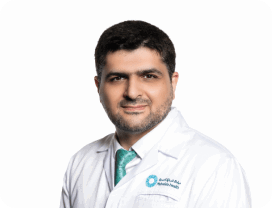
Our surgeons include Dr. Mohammed Al Hadad, Dr. Hudhaifa Almukhtar, Dr. Khaled Hamdan and Dr. Waleed Al-Khyatt among its bariatric surgeons. The team can assess whether gastric bypass is appropriate and explain your treatment options.
Insurance coverage for gastric bypass in Abu Dhabi depends on your policy, medical eligibility and any required approval. Call 800 77 and or your insurance provider to check your benefits and expected costs.
Gastric bypass creates a small stomach pouch and reroutes part of the small intestine. Gastric sleeve surgery removes part of the stomach without rerouting the intestine. Both can support weight loss, but their risks and nutritional needs differ. A bariatric surgeon can help you compare them.
Yes. Gastric bypass changes how your body absorbs some nutrients. Patients generally need lifelong vitamin and mineral supplements, blood tests and nutritional follow-up to check for deficiencies. Your bariatric team will advise you on the supplements and monitoring you need; do not change your prescribed plan without their guidance.

We partner with a number of health insurers to offer healthcare coverage for our patients.

Conveniently located in Abu Dhabi Zayed Sports City, Healthpoint is easily accessible and can be reached by public transport or car.

We are committed to providing five-star service to our patients.

Get In Touch with Us
 Obesity Management, Metabolic and Bariatric Surgery