Update - To serve you better, we are extending our operating hours. We are now open on Sundays with extended evening operating hours on weekdays.

Click here to view our timings.


Sleeve gastrectomy, also called gastric sleeve surgery, is a weight loss operation that removes much of the stomach and shapes the remainder into a narrow tube. The smaller stomach holds less food and the operation can reduce hunger. It does not reroute the intestine. At Healthpoint in Abu Dhabi, sleeve gastrectomy is part of obesity management with assessment and long-term follow-up.
Gastric sleeve surgery treats obesity, which may be accompanied by type 2 diabetes, high blood pressure, sleep apnoea, joint pain or reduced mobility. Some people seek help because weight loss has been difficult to maintain. These concerns do not automatically mean surgery is needed. A specialist considers their effect on your health before recommending treatment.
Obesity has many contributing factors, including genetics, medicines, other health conditions, sleep and environment. It is a chronic condition, and weight regain is common. Body mass index (BMI) measures weight relative to height but cannot describe your overall health alone. Diabetes, cardiovascular risk factors or sleep apnea can make a bariatric assessment particularly relevant.
A bariatric assessment reviews your medical and weight history, BMI, medicines and obesity-related conditions. The team may recommend blood tests, discuss nutrition and psychological wellbeing, and review previous treatments. They will ask about reflux symptoms because a gastric sleeve can cause or worsen acid reflux. Your ability to attend follow-up and take supplements also matters.
International guidance recommends metabolic and bariatric surgery for adults with a BMI of 35 or above, and allows consideration at a lower BMI in selected circumstances. The appropriate procedure depends on individual assessment. BMI alone does not establish suitability or insurance coverage.
Healthpoint offers laparoscopic sleeve gastrectomy. Under general anaesthesia, the surgeon removes a substantial part of the stomach and leaves a sleeve-shaped section. The operation is permanent. Unlike gastric bypass, a sleeve does not reroute the small intestine. Both require lasting changes to eating habits and follow-up.
A sleeve can support weight loss and improve some obesity-related conditions, but results vary and weight regain remains possible.
Healthpoint also offers gastric bypass, an intragastric balloon, medical weight management and nutritional support. The balloon is temporary and does not remove stomach tissue. Your team can explain each option’s benefits, risks and follow-up needs.
After surgery, the multidisciplinary care team guides you from fluids to puréed and soft foods before small portions of regular food. Follow your individual plan. You will need prescribed vitamin and mineral supplements, nutritional checks and regular appointments to protect your health and support lasting results.
Ask for a bariatric assessment if weight is affecting your health or daily activities, particularly when other approaches have not led to lasting improvement. You can seek advice without committing to an operation. If you have already had sleeve surgery and develop persistent vomiting, worsening reflux or difficulty eating, arrange a review. Severe abdominal pain, fever or an inability to keep fluids down after an operation needs prompt medical attention.

Healthpoint’s Bariatric and Metabolic Surgery Centre offers sleeve gastrectomy alongside other surgical and non-surgical options. Its multidisciplinary team includes bariatric surgeons and dietitians, endocrinologists, psychologists and its services include nutritional and psychological consultations, revision surgery and follow-up. That range lets patients discuss their health goals, procedure choice and ongoing care within the same service.
We are here to make managing your healthcare easier. To request an appointment online, please complete the form below.
Healthpoint offers laparoscopic sleeve gastrectomy through its Bariatric and Metabolic Surgery Centre in Abu Dhabi. The first step is an assessment of your health and treatment goals. A bariatric specialist can explain whether gastric sleeve surgery, another procedure or a non-surgical approach is appropriate for you.
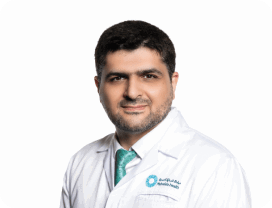
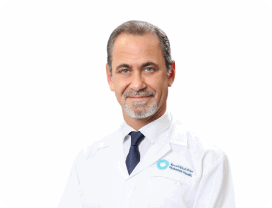
Healthpoint’s bariatric team lists Dr. Mohammed Al Hadad, Dr. Hudhaifa Almukhtar, Dr. Khaled Hamdan and Dr. Waleed Al-Khyatt. A consultation can help determine which treatment suits your needs; the published listing does not establish an individual doctor’s appointment availability.
Insurance coverage for sleeve gastrectomy in Abu Dhabi depends on your specific policy, medical eligibility and any required approval. Ask Healthpoint by calling 800 77 or your insurance provider to verify benefits and expected personal costs before booking.
Yes. Sleeve gastrectomy may cause new acid reflux or worsen existing reflux in some patients, although individual outcomes vary. Tell your bariatric surgeon if you have frequent heartburn or take reflux medication. That history can affect the choice between a gastric sleeve, gastric bypass and other weight management treatments.

We partner with a number of health insurers to offer healthcare coverage for our patients.

Conveniently located in Abu Dhabi Zayed Sports City, Healthpoint is easily accessible and can be reached by public transport or car.

We are committed to providing five-star service to our patients.

Get In Touch with Us
 Obesity Management, Metabolic and Bariatric Surgery